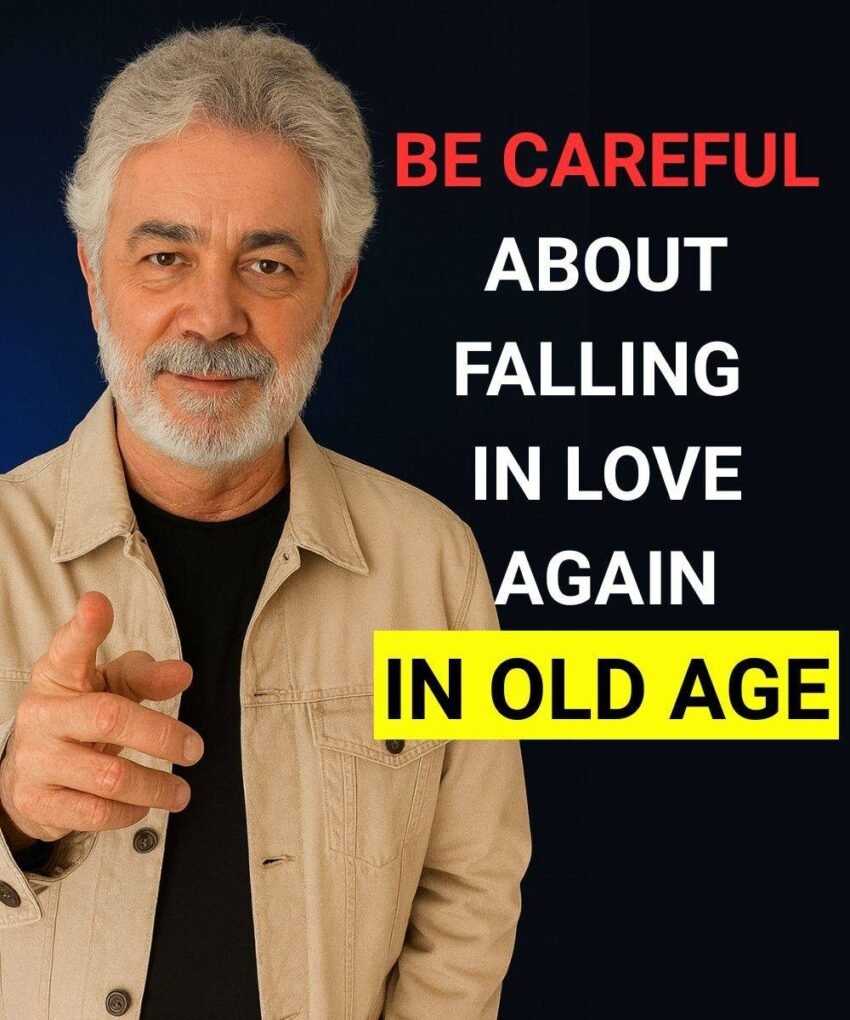
Falling in love after 60 can be exciting, but psychologists note there are unique emotional and practical challenges that aren’t always talked about. Here’s what “nobody tells you”:
1. Vulnerability to emotional pain
At this stage, people often carry past losses, divorces, or widowhood. Falling in love can bring intense joy—but also fear of rejection or loss.
2. Family dynamics
Adult children or even grandchildren may react strongly, especially if they are used to seeing you single or independent. This can create stress or tension in relationships.
3. Financial considerations
Dating later in life can involve complex financial issues, such as merging finances, inheritance, or shared living arrangements, which require careful discussion.
4. Health concerns
Romantic relationships at this age often intersect with physical health realities—managing illnesses, medications, or mobility issues—which can affect intimacy and shared activities.
5. Different life goals and expectations
People over 60 often have well-established routines and independence. Conflicts may arise if partners’ lifestyles, travel plans, or retirement goals don’t align.
6. Social stigma or internal doubts
Some may feel societal pressure or personal hesitation about dating late in life, even though many studies show that romantic relationships improve well-being for older adults.
✅ Bottom line: Love after 60 can be deeply fulfilling, but it’s important to communicate openly, consider practical matters, and approach vulnerability with awareness.
If you want, I can also share 5 ways to fall in love safely and happily after 60, according to relationship psychologists.
