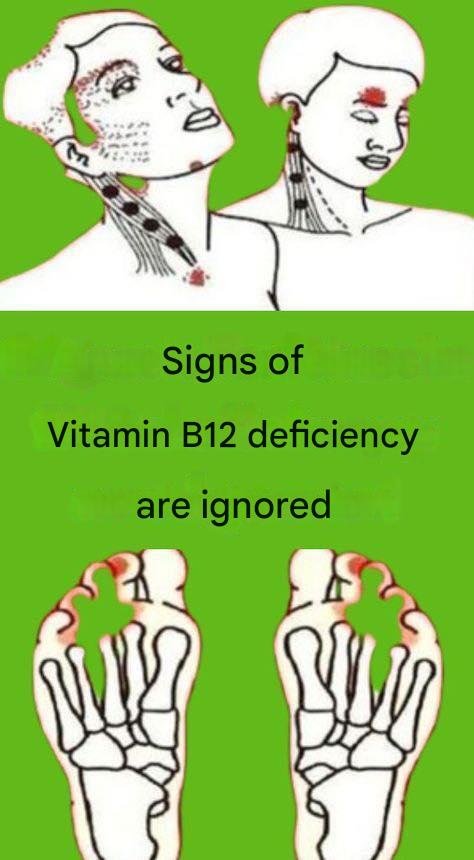
Vitamin B12 deficiency can sneak up on people because its early signs are subtle, and many are often ignored or misattributed to aging, stress, or other conditions. Here’s what to watch for:
Common Signs of Vitamin B12 Deficiency That People Often Overlook
- Fatigue or Weakness
- Feeling unusually tired despite rest is a classic early sign.
- Pale or Jaundiced Skin
- Low B12 affects red blood cell production, causing paleness or a slight yellow tint.
- Tingling or Numbness
- Nerve damage from deficiency can cause pins-and-needles sensations in hands and feet.
- Cognitive Issues
- Memory lapses, brain fog, or difficulty concentrating can develop slowly.
- Mood Changes
- Depression, irritability, or anxiety may appear without an obvious cause.
- Glossitis or Mouth Ulcers
- A swollen, red tongue or recurring mouth sores can signal low B12.
- Vision Problems
- Blurred or double vision can occur if optic nerves are affected.
Why People Ignore These Signs
- Symptoms develop gradually, so it’s easy to chalk them up to stress, aging, or lack of sleep.
- Mild anemia may not show obvious symptoms at first.
- Nervous system symptoms (tingling, balance issues) are sometimes attributed to other causes like arthritis or neuropathy from diabetes.
Takeaway: Early detection is key. If multiple symptoms appear—especially fatigue, tingling, and cognitive changes—get a B12 blood test. Supplementation or dietary adjustments can prevent long-term nerve damage and improve overall health.
If you want, I can make a quick “B12 deficiency checklist” showing the subtle early signs you should never ignore—it’s very practical for daily self-monitoring.
