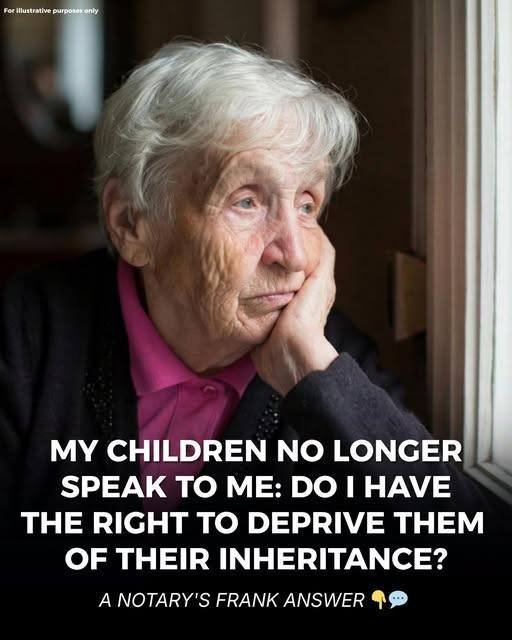
Yes—in many places you generally have the right to decide who inherits your assets, including the option to leave nothing to your children. However, the exact rules depend on the laws where you live.
1. Your right to choose beneficiaries
If you create a valid Last Will and Testament, you can usually decide how your property is distributed after your death. That means you may:
- Leave your estate to other relatives
- Donate it to charity
- Divide it differently among family members
- Exclude certain heirs
2. Laws that may limit this
Some legal systems have forced heirship rules that require a portion of the estate to go to children or a spouse. In other places, you have almost complete freedom as long as the will is valid.
3. Avoiding disputes
If you decide to disinherit a child, lawyers often recommend:
- Clearly stating your intentions in the will
- Using precise legal language
- Considering professional estate planning advice
This helps reduce the chance of someone contesting the will after your death.
4. Alternatives to consider
Some parents choose other options, such as:
- Leaving a small symbolic amount
- Creating a Trust with conditions
- Writing a letter explaining their decision
Important note
Inheritance laws vary widely by country and region. If this is a real situation, speaking with a local estate lawyer is the best way to understand your specific rights and options.
If you want, I can also explain the 5 most common reasons wills get challenged in court—and how to prevent that.
