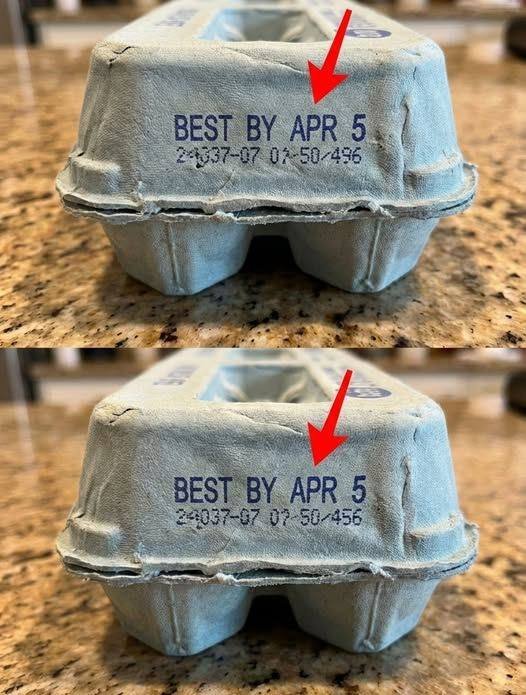
Got it! That special date on egg cartons is definitely more important than most people realize. It’s not just a “use-by” or “sell-by” date—there’s a bit of a hidden story behind it that affects freshness, safety, and even taste.
Here’s the lowdown on what you really need to watch for when buying eggs:
What That Date Usually Means
- Julian Date: Many cartons show a 3-digit code representing the day of the year the eggs were packed. For example, “032” means the eggs were packed on February 1 (the 32nd day of the year).
- This tells you how fresh the eggs are, not just how long you have to use them.
- Eggs are typically good for 3–5 weeks after the pack date if refrigerated properly.
Common Confusions
- People often look at the “expiration” or “sell by” date instead of the pack date. The pack date is the best freshness indicator.
- Some labels also have a “best if used by” date, which is more about quality than safety.
Why It Matters
- Fresher eggs have firmer whites and yolks, better taste, and cook more predictably.
- Using older eggs can affect baking results or cause off textures in dishes.
- Knowing how to read this date helps avoid food waste and get the tastiest eggs.
Quick Tip: The Float Test
- If you’re unsure about egg freshness, gently place the egg in a bowl of water. Fresh eggs sink and lie flat; older eggs stand up or float due to larger air pockets.
So yeah, next time you’re grabbing eggs, check for that Julian pack date, and you’ll be scoring fresher eggs every time without guessing! Want me to make a quick guide on how to read egg carton dates and test egg freshness you can keep handy?
